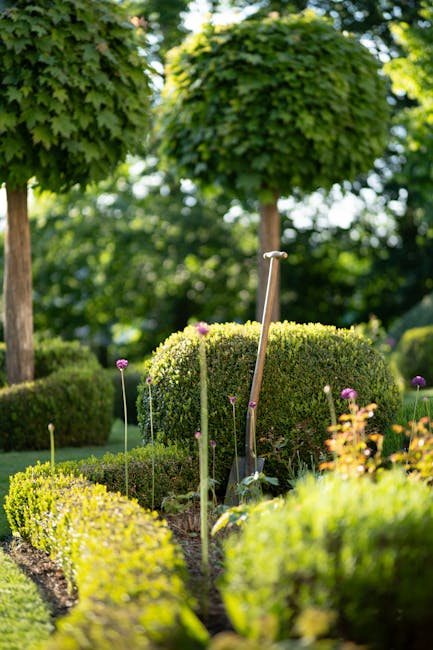
Mountsfield Park garden services for Hither Green homes

If you live near Mountsfield Park, you already know the appeal: leafy streets, family gardens, and that very London mix of sun, shade, wind, and "why is this corner always damp?" Mountsfield Park garden services for Hither Green homes are about more than tidy borders. They are about keeping a garden usable, healthy, and calm to look at, even when life gets busy.
In this guide, we'll look at what these services usually involve, why they matter locally, how a good visit is planned, and what to watch for before you book. Whether you need a one-off reset or ongoing care, the right approach can turn a tired outdoor space into somewhere you actually want to spend time.
One thing people often underestimate? A garden rarely fails because of one huge problem. It's usually the small stuff: weeds edging back, hedges pushing out, lawns thinning, damp patios becoming slippery, or borders getting swallowed by self-seeders. Sort those early and the whole space feels easier.
Why Mountsfield Park garden services for Hither Green homes Matters
Mountsfield Park sits at the heart of a part of South East London where outdoor space often has to work hard. Gardens in Hither Green are frequently compact, overlooked, shaded by mature trees, or exposed to pockets of wind that move through terraces and side returns. That means "standard maintenance" is not always enough. A lawn that looks fine in spring can struggle by late summer. A hedge that was tidy in May can feel unruly by August. And a patio that gets little direct sun can quietly gather algae and grime until it stops feeling inviting.
This is where thoughtful local gardening support becomes useful. It is not just about cutting things back. It is about understanding the rhythm of the space. For example, a shaded back garden may need a different mowing pattern, more selective pruning, and ground-cover planting rather than endless re-seeding. If your garden is narrow or partly paved, a better layout and lighter planting strategy can make the whole area feel bigger without a full rebuild.
There's also the simple matter of time. Not everyone wants to spend their Saturday wrestling with an overgrown hedge and a wheelbarrow full of clippings. Fair enough, really. A well-run service gives you back time, reduces stress, and helps the garden stay on top of itself instead of sliding into a seasonal rescue mission.
For homeowners close to Mountsfield Park, the local benefit is consistency. Gardens in this area often need regular attention rather than dramatic intervention. That means pruning at the right time, keeping weeds from setting seed, looking after the lawn before it becomes patchy, and maintaining structure so the garden still looks good in the off-season.
If you want a broader look at the kinds of help available, the main gardening services page is a useful starting point, while ongoing upkeep is usually best approached through regular garden maintenance.
How Mountsfield Park garden services for Hither Green homes Works
A good garden service should begin with a quick but careful assessment. Not a rushed glance over the fence. The point is to understand what the garden needs now, what can wait, and what might become a problem if ignored. In practice, that usually means checking the lawn, hedges, beds, paths, borders, and any problem areas such as shade, drainage, or wind exposure.
From there, the work is normally prioritised. A typical visit might focus on:
- clearing weeds and self-set seedlings
- trimming hedges or boundary shrubs
- mowing and edging the lawn
- tidying borders and removing dead growth
- cleaning paving or patio areas
- cutting back overgrown climbers or branches where needed
- disposing of green waste responsibly
The best services don't treat every garden the same. A terraced garden near Mountsfield Park may need a compact, efficient workflow. A larger family garden may need more pruning, a stronger lawn plan, and perhaps help with structure or screening. If the layout is awkward, some careful landscaping can make a surprising difference. Even a small redesign of a path, edge, or seating area can improve how the garden feels day to day.
Many homeowners also use a first visit as a reset point. After that, the job becomes easier to maintain. You cut back the big stuff, establish healthier growth habits, and then keep things ticking over with lighter visits. That is usually where the value is. Not in a one-off burst of effort, but in making the whole thing manageable.
For example, if your lawn has gone thin under a tree and weeds are creeping in, you may not need to "start again." You might need better lawn care, more shade-tolerant planting, and a realistic plan for the parts of the garden that simply do not love full sun. The right solution is often calmer than people expect.
Key Benefits and Practical Advantages
There are the obvious benefits, of course: a tidier garden, better kerb appeal, fewer weeds. But the real value runs a bit deeper than that.
1. You reclaim usable space
Overgrown gardens tend to shrink visually. A hedge creeps out, a border spills forward, and suddenly the patio feels smaller than it is. Proper maintenance restores sightlines. The garden starts breathing again. You notice it immediately when you step outside.
2. Plant health improves
Deadheading, pruning, clearing congestion, and spacing plants correctly all support healthier growth. In UK gardens, airflow and light matter a lot. Crowded planting can lead to mildew, weak stems, and general messiness. A tidy cut is not just cosmetic; it can help the garden recover properly after wet spells.
3. Safety gets better
Slippery patios, uneven growth around paths, loose branches, and hidden debris are all practical risks. If children play outside, or if older family members use the garden, those small hazards matter. A safer garden is a more relaxed garden. Simple as that.
4. Seasonal stress drops
There is a lovely kind of satisfaction in knowing the garden will not suddenly explode into chaos while you are away for two weeks. A planned approach means less panic before summer gatherings, less pressure after autumn leaf fall, and less damage when winter arrives.
5. You save money in the long run
Neglect is expensive. A lawn can be revived, but only up to a point. A hedge can be shaped, but if it is left too long it may need harsher work. Path staining, wind damage, and plant loss all become more likely when maintenance is irregular. Small, steady care usually costs less than rescue work. That's the boring truth, but it's the useful one.
Expert summary: In Hither Green gardens, the best results usually come from regular, targeted care rather than occasional heavy intervention. Keep the structure tidy, respond early to weeds and damage, and work with the garden's light, shade, and wind patterns instead of against them.
Who This Is For and When It Makes Sense
This kind of service makes sense for quite a few different households. If you recognise yourself in any of the examples below, you are probably in the right territory.
- Busy homeowners who want the garden to look respectable without losing weekends to chores.
- Families who need a safer outdoor space for play, storage, and everyday use.
- Landlords and sellers who want a garden that photographs well and feels cared for.
- Older homeowners who prefer reliable help with heavier or awkward tasks.
- New residents who have inherited an overgrown or neglected garden and need a clear starting point.
- Enthusiasts who enjoy planting but want support with the harder maintenance jobs.
It also makes sense at specific moments in the year. After winter, gardens often need a clean-up and some structural pruning. In late spring and summer, growth can race away faster than expected. By autumn, leaf clearance and bed tidying become a priority. If you have ever looked out at a garden in November and thought, "Well, that got away from me," you are not alone.
For anyone unsure whether to book a one-off job or ongoing help, the answer usually depends on scale and pace. If the garden is already reasonably controlled, a seasonal visit may be enough. If it is regularly getting out of hand, maintenance is the better option. A service like lawn mowing can be folded into a wider plan, while detailed lawn care helps recover lawns that have suffered from shade, compaction, or patchiness.
Step-by-Step Guidance
If you want to approach your garden in a sensible way, work through it in layers. That is usually far more effective than jumping from task to task and hoping the whole thing somehow comes together. It rarely does.
- Start with a full visual sweep. Look at what you actually see from the house, the gate, and the main seating spot. Those are the views that matter most.
- Identify the biggest obstruction. Is it the lawn, the hedge line, a cluttered border, or a patio coated in grime?
- Remove dead and damaged growth first. This gives you clarity and helps prevent disease or decay spreading further.
- Deal with weeds early. Do not wait until they seed. That is one of the easiest ways to create more work later. If you need practical ideas, the guide on weed control is worth a look.
- Shape the structure. Trim hedges, lightly prune shrubs, and define edges so the garden has a clear outline.
- Improve the surfaces. Clean patios, clear moss where appropriate, and make sure the most-used areas are safe and presentable.
- Refresh the planting. Replace gaps, improve soil where needed, and choose plants that suit the conditions rather than fighting them.
- Set a realistic maintenance rhythm. A good garden is not maintained by enthusiasm alone. It needs a plan.
It can help to think of the garden in zones: entrance, seating area, lawn, borders, and boundary. Treat each zone according to how it is used. A child's play patch needs different care from a decorative corner. A shaded side return is not the same as a sunny front border. Obvious, maybe. But people still miss it all the time.
If you are planning a transformation rather than simple upkeep, the article on mapping out a garden transformation offers a helpful way to think about sequencing. And if you are working with a small footprint, the ideas in container gardening in small spaces can make the layout feel more flexible.
Expert Tips for Better Results
Here's where small choices make a big difference.
Match plants to conditions, not to wishful thinking. A lot of garden frustration comes from forcing the wrong plant into the wrong place. If a corner is windy, try something resilient. If it is shaded, choose accordingly. If it is damp, don't keep fighting with species that want dry, hot borders.
Use ground cover where bare soil keeps reappearing. Bare patches are invitation cards for weeds. Strong ground cover can reduce that cycle and add texture at the same time. For ideas, see ground-cover planting ideas.
Think vertically in small gardens. Fences, walls, and awkward corners are opportunities, not dead space. Climbers can soften hard edges and add life without eating into the ground area. The post on evergreen climbers is especially useful if you have a shady boundary.
Don't overcut everything in one go. A garden that looks "clean" but stripped back too hard often bounces back unevenly. Gentle, considered pruning is usually safer. You want shape, not panic.
Leave room for access. Hither Green gardens can be narrow, and access matters. If a gardener cannot reach the back corner easily, future maintenance becomes harder. Small changes to path width or storage placement can help more than you might expect.
Consider weather as part of the design. Wind and heavy rain shape how a garden behaves. If your plot is exposed, shelter planting or screening may be more useful than decorative features you have to keep rescuing. There is a practical article on wind problems in gardens that covers this well.
And one more, slightly unglamorous tip: keep your tools sharp and clean. It sounds almost too simple, but blunt tools tear rather than cut, and that is not kind to plants. Nor is it kind to your patience.
Common Mistakes to Avoid
Most garden problems are not dramatic. They grow quietly, one neglected month at a time.
- Waiting until everything is overgrown. Once growth has run rampant, the work is slower, messier, and more disruptive.
- Cutting hedges and shrubs at the wrong time. Some species handle hard pruning better than others. If in doubt, be cautious and informed.
- Ignoring the lawn while focusing only on borders. Lawns are often the biggest visual surface. If they look poor, the whole garden can feel tired.
- Using the same solution everywhere. The wet, shady back corner and the sunny front strip need different care.
- Clearing waste badly. Piling debris up against fences or leaving it to rot in damp spots can create more issues. Responsible green waste handling matters, and the idea of turning waste into nutrient-rich earth is explored in this composting and soil article.
- Forgetting about aftercare. A tidy finish is lovely, but without a follow-up plan, the problem returns. Sometimes very quickly, annoyingly so.
Another common one: people buy lots of plants before fixing structure. It feels productive. It is not always wise. If the hedge line is messy, the patio is dirty, and the border edges are broken, more plants just add another layer of confusion. Structure first. Plants second. Usually.
Tools, Resources and Recommendations
Good results depend on practical tools as much as skill. You do not need a shed full of gadgets, but a few reliable basics help enormously.
- Sharp secateurs for clean trimming and deadheading
- Long-handled loppers for thicker stems and awkward reaches
- Rake and leaf collector for autumn clear-ups
- Sturdy lawn mower suited to the size of the garden
- Edging tool for crisp lawn lines
- Weeding hand fork for beds and borders
- Hose or watering can for targeted watering rather than waste
- Basic gloves and eye protection for safer handling of thorny or dusty work
If you prefer to build your own routine, the guide on must-have gardening tools is a practical place to begin. For beginners, these essential gardening tips are a sensible companion piece.
For tighter spaces, vertical thinking helps. A small fence line can become a planting feature with climbers or trellis work, and a bare side return can be made much more inviting with a few well-chosen containers. If you are curious about that approach, have a read of building your own vertical garden.
And if you want an even more relaxed outdoor feel, seating matters more than many people think. A comfortable bench, a small table, or just a well-placed chair can change how often you use the garden. There is a useful article on seating design tips if you are planning that kind of upgrade.
Law, Compliance, Standards, or Best Practice
For most domestic garden work, the important thing is not legal drama; it is safe, sensible practice. That said, there are a few standards and expectations worth keeping in mind.
Waste disposal: Green waste should be managed responsibly. If a service removes clippings, branches, or soil, it should do so in line with ordinary waste-handling expectations and not leave mess behind. That sounds obvious, but not every contractor is equally neat.
Health and safety: Tools, ladders, sharp blades, and heavy lifting all bring risk. A professional approach should include sensible precautions, especially around access, slips, and cutting work. You can review a provider's approach through its health and safety policy and insurance and safety information.
Neighbour awareness: In terraced areas, hedge work, noise, and access all benefit from a bit of consideration. Early starts and shared boundaries can become awkward if no one thinks it through. A careful gardener usually will.
Plant care best practice: Prune with the species in mind, avoid damaging nesting habitats, and do not treat all growth as disposable. Some things should be cut hard, others lightly, and a few left alone. It depends.
For more detail on company standards and expectations, you may also want to review the terms and conditions, payment and security, and the privacy policy. If service quality matters to you, the complaints procedure can also tell you a lot about how a business handles issues when they arise.
Options, Methods, or Comparison Table
Different gardens need different levels of support. The table below gives a practical comparison so you can judge what fits your situation.
| Approach | Best for | What it usually covers | Watch-outs |
|---|---|---|---|
| One-off tidy-up | Overgrown gardens, pre-sale prep, post-winter recovery | Clearing, pruning, mowing, bed reset, waste removal | The garden can slide back if nothing follows up |
| Seasonal maintenance | Homes with manageable but changing growth | Spring refresh, summer control, autumn clearance, winter prep | May not suit very fast-growing or neglected spaces |
| Regular upkeep | Busy households, families, landlords, and older homeowners | Routine mowing, hedge trimming, weed control, edging, light pruning | Needs a consistent schedule to work properly |
| Structural improvement | Gardens that feel awkward, crowded, or underused | Layout changes, screening, border redesign, planting strategy | Takes more planning and may need a bigger budget |
In many Hither Green homes, the smartest answer is a combination: one strong reset, then lighter regular maintenance. That keeps costs and effort steady, and it avoids the "all or nothing" cycle. Gardens rarely need perfection. They need momentum.
Case Study or Real-World Example
Here's a realistic example from the kind of garden people often have near Mountsfield Park. Imagine a mid-terrace home with a narrow rear garden, a patchy lawn, ivy climbing too far across the fence, and a patio that has gone a little green round the edges. Nothing dramatic. Just enough to make the space feel smaller than it should.
The first visit focuses on the basics: weeds out, edges defined, hedge line cut back carefully, climbers checked, and the patio cleaned so it stops feeling slippery. The lawn gets a measured mow rather than a brutal scalp. A few weak patches are noted rather than ignored. The border is then simplified so the plants that remain have room to breathe.
After that, the garden looks instantly calmer. Not flashy. Calmer. That is a useful word here. It feels lighter, and more importantly, it becomes easy to keep that way. A follow-up plan might include seasonal hedge trimming, occasional lawn care, and a small planting change to improve the shady end of the garden.
To be fair, this is often how the best transformations happen. Not through one giant makeover, but through a series of sensible moves. The kind that look almost too modest while they are being done, and then feel surprisingly significant afterwards.
Practical Checklist
Use this quick checklist before booking or planning garden work:
- Have you identified the main problem areas in the garden?
- Do you know whether you need a one-off tidy or ongoing maintenance?
- Are the lawn, hedges, borders, and patio all being considered?
- Have you thought about shade, wind, and drainage?
- Do you want more privacy, better safety, or simply less clutter?
- Is green waste removal included or clearly discussed?
- Have you checked the provider's approach to safety and insurance?
- Do you need help with a specific task such as mowing, hedge trimming, or patio cleaning?
- Will the plan suit the season and the current state of the garden?
- Are you clear on how often the garden will need follow-up care?
And if you are still weighing things up, the simplest move is often the best one: get the garden assessed, be honest about your priorities, and ask for a plan that fits your budget and your real life, not some ideal version of it.
Get a free quote today and see how much you can save.
Conclusion
Mountsfield Park garden services for Hither Green homes are most valuable when they make the garden easier to live with, not just nicer to glance at. That means cleaner edges, healthier growth, safer paths, more usable space, and a maintenance pattern that actually fits your routine. If your outdoor space has been drifting into "I'll sort it next weekend" territory for a while, you are not stuck. Most gardens respond well once someone gives them steady, informed attention.
Whether you need a sharp seasonal reset, help with recurring maintenance, or a smarter long-term plan, the key is to start with what the garden really needs. Not what looks impressive on paper. What works on the ground, in your light, in your weather, with your time.
And honestly, that is the point of a good garden: not perfection, just a place that feels looked after. A bit more restful. A bit more yours.
Frequently Asked Questions
What do Mountsfield Park garden services for Hither Green homes usually include?
They commonly include lawn mowing, hedge trimming, border tidying, weed control, pruning, patio cleaning, and general garden maintenance. Some visits focus on one-off clearance, while others are designed for regular upkeep.
How often should a Hither Green garden be maintained?
It depends on the size of the garden, the planting style, and how quickly things grow. Many homes benefit from seasonal maintenance, while fast-growing or heavily used gardens often need more regular visits.
Can a small garden still benefit from professional garden services?
Yes, very much so. Small gardens can become cluttered quickly, and even light maintenance can make them feel much bigger, brighter, and easier to use. A narrow space often benefits from careful pruning and tidy structure.
What is the difference between garden maintenance and garden landscaping?
Maintenance keeps an existing garden healthy and tidy. Landscaping changes the structure, layout, or features of the garden. In many cases, people start with maintenance and then decide whether a larger redesign is needed.
Is hedge trimming important for homes near Mountsfield Park?
It often is, especially where hedges are used for privacy or boundary definition. Regular hedge trimming helps keep shape, control growth, and reduce the chance of the hedge overwhelming nearby planting or paths.
What should I ask before booking a gardening service?
Ask what is included, how green waste is handled, whether insurance and safety practices are in place, and whether the work is a one-off or ongoing service. It also helps to discuss the garden's biggest problem areas first.
Do I need lawn care if my grass only looks a bit patchy?
Possibly, yes. Patchiness can be caused by shade, poor drainage, compaction, overcutting, or low fertility. Early lawn care can sometimes recover the grass before the problem gets worse.
What time of year is best for garden work in Hither Green?
There is no single perfect time, because different jobs suit different seasons. Spring and autumn are often busy for tidying and shaping, while summer focuses more on control and watering. Winter is useful for planning and protective work.
How do I know if my garden needs a one-off tidy or regular maintenance?
If the garden keeps becoming untidy quickly, regular maintenance is usually more practical. If it just needs a reset after a period of neglect or seasonal growth, a one-off tidy may be enough to get it back on track.
Are patio cleaning and garden maintenance worth combining?
Usually, yes. A clean patio and a tidy planting scheme work together. If one looks smart and the other looks neglected, the whole space feels off-balance. Combining the jobs usually gives a better overall result.
What should I do if my garden is very windy or shaded?
Choose plants and maintenance methods that suit the conditions instead of fighting them. Wind-tolerant planting, better screening, and shade-friendly options can all help. A sensible plan matters more than trying to force a perfect-looking setup.
How can I get the best value from garden services?
Be clear about priorities, book work before problems become severe, and keep a simple follow-up routine. In many cases, a well-timed visit and a realistic maintenance plan will give you far better value than waiting for a big rescue job.
When a garden is cared for properly, it quietly improves everyday life. Less mess, less worry, more breathing room. That's a good trade, really.