Recycling and Sustainability for Gardeners Hither Green
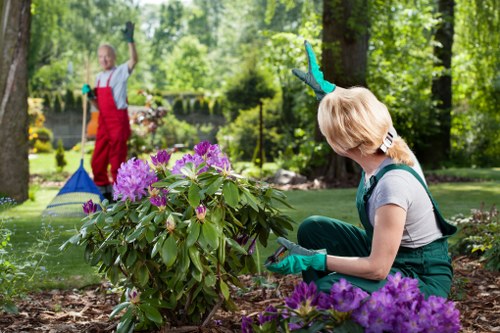 Gardeners Hither Green is committed to keeping outdoor work as responsible as it is effective. For local homes, estates, and shared green spaces, sustainability is not an added extra; it is built into how materials are sorted, how waste is moved, and how everyday maintenance is planned. By focusing on cleaner disposal routes, better recovery of reusable materials, and lower-emission transport, Hither Green gardening can support a greener neighbourhood while still delivering tidy, healthy results. Recycling-focused gardening services help reduce the amount sent to landfill and make sure useful organic matter is put back into productive use wherever possible.
The borough approach to waste separation has also influenced how local garden waste is handled. In many parts of the area, mixed rubbish is increasingly separated into clearer streams, with green waste, wood, metal fixtures, plastics, and general rubbish being managed differently. This matters for garden projects because pruning, turf, pots, soil, and broken fittings are not all treated the same. A better sorting process means more of the material can be recycled or repurposed, which supports a lower-carbon cycle for gardeners in Hither Green and nearby communities.
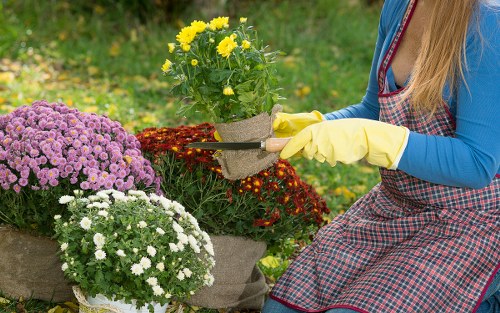 One of the main aims is to reach a high recycling percentage target across routine garden clearances and maintenance visits. The current objective is to divert at least 85% of reusable and recyclable material away from landfill or incineration where practical. That includes green cuttings for composting, timber for recovery, metals for scrap processing, and suitable hard plastics for specialist recycling streams. Organic matter is especially important in this process, because hedge trimmings, grass clippings, and leaves can often be transformed into valuable soil improvers instead of becoming waste.
Local transfer stations play an important role in this system. By using nearby licensed facilities, garden waste can be brought into the correct stream more quickly, reducing unnecessary transport and improving sorting accuracy. These transfer stations help separate compostable material from inert waste, and they support safe handling of soils, broken paving pieces, old plant containers, and other items that may come out of a garden project. For Gardeners Hither Green, that means a more efficient route from site clearance to final recovery.
Practical sustainability also depends on what happens before waste even leaves the garden. Crews are encouraged to assess whether materials can be reused on site first, whether cut branches can be chipped for mulch, or whether compostable plant matter can be retained for future soil building. This approach reduces the need for repeated purchasing and cuts down on transport. In a busy urban environment, even small choices, like separating green waste at source, can make a meaningful difference over time.
 Partnerships with charities are another valuable part of the recycling and sustainability strategy. Suitable planters, tools, garden furniture, pots, and decorative items may be redirected to charitable organisations where they can be reused rather than discarded. These relationships help extend the life of good-quality items and support community projects, training schemes, and local causes. When material is still functional but no longer needed, donating it is often more sustainable than recycling it, because reuse generally preserves more of the original value.
Low-carbon vans are central to reducing the environmental footprint of gardening work in the area. Modern vehicles with improved fuel efficiency, cleaner engines, and smarter route planning can significantly cut emissions compared with older, less efficient fleets. For Gardeners Hither Green, this means choosing transport that supports greener operations without compromising reliability. When combined with careful scheduling and grouped visits, low-carbon vans help minimise the number of miles travelled while still keeping services responsive.
There is also a growing focus on responsible waste recovery from common garden tasks. Hedge clippings, leaf litter, and grass cuttings are usually ideal candidates for composting, while soil and rubble may need separate handling to avoid contamination. Wooden offcuts can often be recycled or sent for energy recovery where appropriate, and metal components such as broken edging, trellis fixings, or old tools can enter dedicated metal recycling streams. Even plastic plant pots can be collected separately if kept clean and sorted properly. These small operational choices matter because they help the borough’s wider waste separation efforts function more effectively.
Gardeners Hither Green also places importance on using materials wisely during maintenance and soft landscaping. Mulching, for example, can reduce water loss and limit the need for chemical inputs, while healthy composting returns nutrients to the soil and supports long-term plant resilience. In this way, sustainability is not just about disposal; it is also about reducing waste from the start. By planning ahead, selecting durable supplies, and reusing resources where possible, the team helps local gardens stay attractive while lowering environmental impact.
 The recycling percentage target is closely linked to these day-to-day decisions. When most of the material produced by garden work is separated correctly, the amount requiring final disposal falls sharply. This supports better environmental performance and makes the whole process more circular. It also helps align the service with wider local expectations around waste reduction, including the careful handling of organic waste, the segregation of recyclable packaging, and the sorting of bulky items that may appear during larger clearances.
Another benefit of a well-run sustainability approach is consistency. Whether a project involves seasonal pruning, border renovation, or general outdoor tidy-up, the same principles can apply: sort early, reuse where possible, recycle properly, and transport efficiently. By keeping those standards in place across all jobs, Gardeners Hither Green can support cleaner streets, healthier gardens, and a better overall environmental balance for the neighbourhood.
 In practice, this creates a service model that is both practical and environmentally aware. Local transfer stations, charity partnerships, and low-carbon vans all contribute to a system designed to reduce waste and preserve value. Combined with the borough’s growing emphasis on separating waste streams and managing green material responsibly, these efforts help ensure that Gardeners Hither Green can offer modern, sustainable garden care with a lighter footprint and a stronger recycling culture.