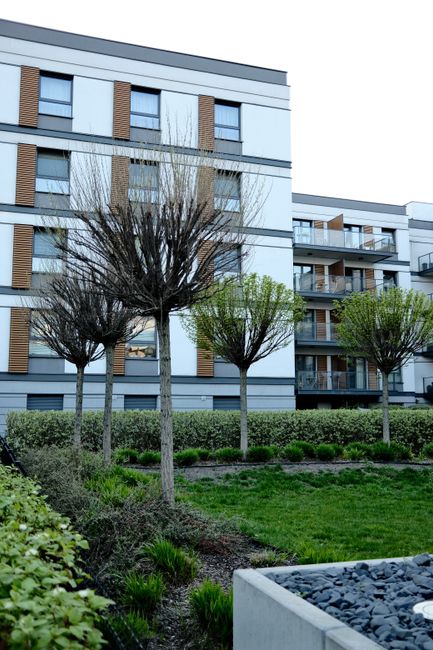
SE13 estate gardeners for Hither Green communal gardens: a practical guide to shared green spaces that actually work
If you look after a communal garden in Hither Green, you already know the truth: shared outdoor spaces are wonderful, but they can become messy, uneven, and oddly complicated very quickly. One week the borders look tidy, the next there are weeds in the paving, hedge growth blocking light, and a patch of lawn that seems to have given up on life. That is where SE13 estate gardeners for Hither Green communal gardens make a real difference. They bring routine, planning, and calm to spaces that need to serve many people at once.
This guide breaks down what estate gardening in SE13 actually involves, how it works in practice, who it suits, and what to look for if you want a dependable service. It also covers common mistakes, compliance basics, and a simple checklist you can use before booking help. No fluff, just the useful stuff, with a local angle that makes sense for shared gardens around Hither Green.
One thing people often underestimate is how much a communal garden does for a building or estate. It affects first impressions, resident satisfaction, day-to-day safety, and even how people use the space. A smart maintenance plan keeps the garden pleasant without overcomplicating it. And that, honestly, is the goal.
Why SE13 estate gardeners for Hither Green communal gardens Matters
Communal gardens are not like private back gardens. They have more foot traffic, more opinions, more wear and tear, and usually less room for error. In a typical SE13 estate setting, the garden may need to handle residents, visitors, children, bins, bikes, drying areas, and the occasional weather battering. If maintenance slips, the whole place can start to feel neglected.
That matters for three reasons. First, appearance: neat edges, healthy planting, and regular mowing change how a building feels immediately. Second, function: paths need to stay clear, hedges should not block sightlines, and planting should not make access awkward. Third, long-term cost: neglected gardens usually take more work to recover than to maintain. Truth be told, a little consistency saves a lot of drama later.
There is also a social side to it. A well-kept shared garden can become somewhere people actually use, not just pass through. A bench becomes inviting. Children have a safer patch to play in. Residents are less likely to complain about weeds or overgrown shrubs. Small thing? Not really.
For Hither Green in particular, communal gardens often need flexible maintenance because the spaces vary so much. Some estates need tidy lawns and clipped hedges. Others benefit more from low-maintenance planting, ground cover, or a mix of structural greenery and simple seasonal interest. If you want ideas for weed suppression and low-maintenance coverage, the article on ground covers for UK gardens is a sensible companion read.
And when the garden has shaded corners, a good gardener will not fight the site. They work with it. Climbers, shade-tolerant planting, and clever layering can bring life back to awkward spots. That is one reason evergreen climbers for shaded corners can be such a practical option in communal areas.
How SE13 estate gardeners for Hither Green communal gardens Works
At its simplest, estate gardening is planned maintenance for shared outdoor areas. The work is usually scheduled, repeatable, and tailored to what the site actually needs. Not every communal garden needs the same level of attention, and that is where a decent service earns its keep.
In practice, the process usually begins with a site review. That review should look at grass condition, hedge lines, boundary planting, paths, bins areas, seating, drainage, shade, wind exposure, and any seasonal pressure points. A quick walkaround tells a lot. If the garden has become compacted or patchy, for example, the maintenance plan needs to be different from that of a lush but overgrown lawn.
From there, the gardener builds a routine. That may include mowing, edging, pruning, weeding, leaf clearance, shrub shaping, deadheading, litter picking, and occasional deeper work like mulching or replanting. In many cases, they will also advise on what should be reduced, replaced, or left alone. That judgment matters more than people think.
Shared gardens often benefit from a seasonal rhythm:
- Spring: reset beds, prune lightly, tidy winter damage, improve soil, and prepare for growth.
- Summer: mow, water wisely, edge pathways, and keep weeds under control.
- Autumn: clear leaves, protect plants, and reduce slip hazards.
- Winter: check structure, cut back what is needed, and avoid damaging dormant plants.
Some estates also need more specialised support. For instance, if access is tight or the layout feels visually flat, a broader landscaping plan may help. If trees are shading too heavily or dropping debris, then tree work might need to be considered carefully and in line with safety needs. And if a boundary is causing security or privacy problems, fencing can be part of the solution. None of this has to be done all at once. In fact, it usually should not be.
If the shared space includes paved social areas, it can help to pair garden care with patio cleaning, because mossy or stained surfaces quickly drag the whole area down. Likewise, if the estate has structured outdoor seating or decked sections, linking maintenance with decking services can keep the place looking coherent rather than patched together.
Key Benefits and Practical Advantages
Let's get specific. Why does a communal garden maintenance plan pay off?
- Better first impressions. Residents, guests, and contractors all notice a tidy garden before they notice much else.
- Lower resident tension. Regular maintenance reduces the predictable complaints: weeds, mess, overgrowth, and blocked paths.
- Improved safety. Clear paths, controlled growth, and removed trip hazards matter, especially where children, older residents, or delivery traffic use the space.
- Healthier planting. Pruning at the right time, mulching, and selective feeding help plants do better over the long term.
- More usable communal space. A garden is more likely to become part of daily life when it is tidy and comfortable.
- Cost control. Planned maintenance is usually easier to manage than repeated emergency tidy-ups.
There is also an often missed benefit: consistency. One-off work can make a dramatic difference for a week or two, but a communal garden needs continuity. Residents notice when the site looks cared for throughout the year, not just after a big clean-up.
If your estate wants to reduce upkeep pressure, simple design choices can help. Low-growing planting, reliable ground cover, and manageable borders cut down on weed pressure. For more on that, the guide to efficient weed control is useful because weeds in communal gardens are never just cosmetic; they become work, and then they become arguments. Not ideal.
There is a sustainability angle too. Composting green waste, improving soil health, and choosing resilient planting can reduce the need for constant replacement. If you are interested in recycling garden cuttings into something useful, see turning garden waste into nutrient-rich earth. It is a simple idea, but it changes how you think about maintenance.
Who This Is For and When It Makes Sense
SE13 estate gardeners for Hither Green communal gardens are a strong fit for a few different kinds of sites:
- Residential estates with shared lawns, borders, or courtyards
- Blocks of flats with common outdoor frontage
- Housing associations and managing agents needing dependable upkeep
- Private developments that want a polished shared landscape
- Older estates where the planting has become uneven or hard to manage
It makes sense to bring in regular gardening support when any of these happen:
- The garden starts looking untidy between seasons
- Residents complain about weeds, overgrowth, or litter build-up
- Access points feel cramped or unsafe
- Current upkeep is too irregular or too reactive
- No one is clearly responsible for the shared green space
- The site needs a better balance between beauty and low maintenance
Some gardens only need a light touch. Others need a proper reset. A small estate with a couple of beds and a lawn might just need scheduled mowing and edging. A larger communal space with hedges, slopes, trees, and shaded corners could need more thoughtful planning. That is fine. There is no prize for overcomplicating it.
If the communal area is part of a family-oriented estate, the garden may also need to be safer and more playful. In that case, ideas from garden design for children's games can help you think beyond just mowing and pruning. Safe sightlines, soft surfaces, and sensible planting choices all matter.
And if you are working with a tight courtyard or a small shared plot, compact planting strategies can make a big difference. The article on container gardening in small spaces is a good reminder that scale is not the enemy. Bad planning is.
Step-by-Step Guidance
Here is a sensible way to approach communal garden care without getting lost in the weeds, literally and otherwise.
- Assess the space honestly. Start with what is actually there. Lawn condition, hedge height, path edges, drainage issues, shade, and damage should all be noted. Do not plan around the ideal version of the garden.
- Separate essential jobs from nice-to-haves. Safety and access come first. A neat border is lovely, but a clear walkway is non-negotiable.
- Set a repeatable schedule. Weekly, fortnightly, or monthly visits should match the site's growth rate and use. If the garden grows quickly, trying to visit "whenever needed" usually becomes too vague.
- Choose planting that can cope. Communal gardens benefit from hardy, resilient plants that can take some pressure. Decorative is fine. Delicate and high-maintenance in a shared estate? Usually a headache.
- Decide who handles what. Grass cutting, hedge trimming, pruning, weed control, and waste removal should be clear in the scope. Confusion here leads to gaps.
- Review the garden seasonally. Spring and autumn are natural checkpoints for larger changes, replacements, or renovation work.
- Keep records. A simple note of what was done and when helps with continuity and accountability. Nothing fancy needed.
When the estate includes mixed features, use maintenance to support the layout rather than fight it. For instance, hedge shaping can improve privacy and reduce visual clutter, while still keeping sightlines sensible. If that is a priority, hedge trimming in Hither Green is especially relevant to shared spaces where form and function need to coexist.
One practical tip: if you are about to renovate rather than just maintain, take a moment to map the whole site. The article on planning a garden transformation is useful because communal gardens tend to fail when changes are made piecemeal with no bigger picture. A bench here, a hedge there, a patch of turf somewhere else. It can end up looking a bit like a cupboard of spare parts.
Expert Tips for Better Results
These are the habits that separate a decent communal garden from one that quietly looks after itself.
Prioritise edges. A clean edge around paths, beds, and lawns makes everything feel sharper. It is one of those small details people notice without knowing why.
Keep the planting simple where possible. Repeating a few well-chosen shrubs, grasses, or ground covers often looks better than a jumble of one-off plants. Repetition brings order.
Use ground cover in awkward spots. Narrow beds, slopes, and semi-shaded corners are prime places for low-growing plants that suppress weeds and reduce bare patches. If you need examples, the ground-cover guide mentioned earlier is worth a look.
Think about wind and exposure. Some Hither Green communal gardens get more breeze than residents expect, especially in open or elevated spaces. Staked plants, denser shrubs, or wind-buffering features can help. The piece on solutions for wind problems in gardens is a helpful reference point here.
Plan for winter before winter arrives. Once the cold, wet stretch begins, no one wants to be improvising. Mulch, protection, drainage checks, and selective pruning are easier in advance. The guide on winter plant protection fits this perfectly.
Do not ignore the small jobs. A few weeds, a bit of litter, a patch of dead growth. Left alone, they turn into the thing everyone notices. Funny how that works.
And one more thing: if you want better continuity, keep a preferred tool kit and workflow. The article on must-have gardening tools is a simple reminder that good work is much easier when the basics are right. Sharp tools, decent gloves, proper cutting gear, and a plan. Nothing glamorous, but very effective.
Common Mistakes to Avoid
Communal gardens often go wrong in predictable ways. The good news is that most of them are avoidable.
- Trying to maintain everything at once. If the site is neglected, tackle the most visible and risky areas first.
- Over-planting. More plants do not automatically mean a better garden. In shared spaces, too much variety can become too much work.
- Ignoring resident movement patterns. Beds placed where people naturally cut across the garden will get damaged. It happens all the time.
- Cutting hedges or shrubs at the wrong time. Some pruning is seasonal, and rushing it can hurt the plant or spoil the shape.
- Forgetting waste removal. A tidy cut is only half the job if clippings are left behind.
- Neglecting the "boring" surfaces. Paths, patios, and seating areas matter just as much as planting because they frame the whole experience.
Another common issue is assuming one resident's preference should shape the whole shared garden. Communal space needs compromise. That may mean choosing lower-maintenance plants, better sightlines, and simpler layouts rather than chasing one person's ideal border design. The practical guide on creating a low-cost, stress-free outdoor retreat captures that mindset well: calm, useful, and manageable beats fancy-but-fragile every time.
If the garden has been affected by neglect, weather, or heavy use, it may need more than routine care. A broader refresh might include overgrown hedge work, surface cleaning, and selective landscaping. That is where a measured approach matters most. Rush it and you create more follow-up work. Slow and steady usually wins here.
Tools, Resources and Recommendations
You do not need a van full of gadgets to manage a communal garden well. But you do need the right basics and a sensible workflow.
Core tools that actually help
- Reliable mower for the lawn areas
- Sharp secateurs and loppers for routine pruning
- Hedge trimmers for shaping shared boundaries
- Spades, forks, and hand tools for border work
- Leaf rake and green waste bags or bins
- Weeding tools for paved joints and bed edges
- Gloves, eye protection, and sturdy footwear
Useful support pages and topics
If your communal space needs a broader service blend, the following pages can help you think about the work in modules rather than one big job:
- garden maintenance for regular upkeep
- lawn mowing for shared grass areas
- lawn care where turf needs more than a quick cut
- gardening services for wider support across the site
- landscaping when the layout needs improvement
- tree surgery for tree-related issues that affect light, safety, or debris
- fencing where boundaries or screening need attention
For residents and managing agents who want to understand the service provider better, the pages on about us, pricing and quotes, and contact are sensible starting points when you are comparing options or requesting a site visit. It is just easier when the basics are easy to find.
There are also support pages worth knowing about when you are dealing with shared spaces professionally: health and safety policy, insurance and safety, terms and conditions, payment and security, and complaints procedure. Those pages help build confidence, especially where multiple stakeholders are involved.
And yes, the more practical the resource, the better. If a tool or service does not help keep the site safer, neater, or easier to maintain, it probably does not deserve much attention.
Law, Compliance, Standards, or Best Practice
With communal gardens, compliance is less about grand legal theory and more about sensible risk management, access, and clear responsibility. If you manage or maintain shared outdoor space, you want the work done in a way that is safe, defensible, and respectful of residents.
In UK practice, best results usually come from a few steady habits:
- Keep walkways clear. Slips, trips, and blocked access points create avoidable issues.
- Use equipment responsibly. Machinery, cutting tools, and ladders should be used by competent people.
- Think about resident safety. Work areas should be managed so people can move around safely while maintenance is underway.
- Protect property boundaries. Shared gardens often sit close to fences, walls, windows, and parking spaces, so care matters.
- Handle waste properly. Green waste should be removed or processed in line with the agreed service and local expectations.
It also helps to keep documentation tidy. A site schedule, a brief record of work completed, and clear responsibilities reduce confusion. If there is a dispute later, everyone benefits from having a straightforward record rather than memories and guesswork. And memories, let's face it, can be suspiciously flexible.
If the estate includes accessibility needs, maintenance should keep routes usable and avoid creating unnecessary barriers. For a broader view of site responsibilities, the pages on accessibility statement and privacy policy provide useful context about how the organisation presents itself. If you are checking the company's wider operational commitments, modern slavery statement and cookie policy may also be part of your usual due diligence.
Finally, if a communal garden job is being commissioned by a landlord, managing agent, or residents' group, make sure everyone agrees on scope. A service that is too vague becomes a source of frustration very quickly. Clear expectations save time, money, and awkward conversations later on.
Options, Methods, or Comparison Table
Not every communal garden needs the same approach. Here is a simple comparison to help you decide what kind of support fits best.
| Approach | Best for | Pros | Limitations |
|---|---|---|---|
| Light-touch routine maintenance | Small, tidy estates with manageable planting | Cost-conscious, easy to schedule, keeps the site presentable | Can struggle if the garden is already overgrown or uneven |
| Structured seasonal maintenance | Most Hither Green communal gardens | Balances mowing, pruning, weeding, and seasonal care | Needs a clear plan and regular communication |
| Maintenance plus landscaping | Sites needing visual improvement or layout changes | Improves both function and appearance | More planning and a bigger short-term commitment |
| Reactive call-out work | Occasional issues or emergency tidy-ups | Good for quick fixes | Usually less efficient over time; problems keep returning |
In most cases, structured seasonal maintenance is the sweet spot. It keeps the place under control without turning every visit into a major operation. If the estate is older or patchy, a one-off landscape reset can help set the tone, and then regular maintenance keeps it there.
The right method also depends on site use. A quiet estate with decorative beds can tolerate a lighter schedule. A busier communal area with children, pets, deliveries, and foot traffic usually needs tighter upkeep and more attention to safety. No great surprise there.
Case Study or Real-World Example
Imagine a small SE13 estate in Hither Green with a central lawn, two narrow borders, a hedge line at the boundary, and a paved seating area near the entrance. At first glance it looks straightforward. But by mid-spring the lawn has become uneven, the hedge has started to encroach on the path, and weeds have pushed through the paving joints. Residents begin to notice, and soon every minor issue feels bigger than it is.
A practical estate gardener would usually start with a reset visit: clear the paths, tackle the weeds, cut back the hedge, define the lawn edges, and inspect the borders for weak or overcrowded planting. Then the follow-up plan might move to fortnightly mowing, monthly hedge shaping, seasonal pruning, and simple waste removal.
After that, a few modest changes make the space easier to live with. The bare patch near the hedge is replaced with low-growing planting or ground cover. The seating area gets a clean-up. A shade-heavy corner is planted more intelligently, using species that tolerate the site rather than fight it. Within a couple of months, the garden stops feeling like a problem and starts feeling like part of the estate again.
That is the quiet power of good maintenance. Not flashy. Just effective.
And honestly, many communal gardens do not need a grand redesign. They need consistency, common sense, and someone who can tell the difference between a job that waits and a job that is overdue. Small difference, big effect.
Practical Checklist
Use this checklist before you arrange or review estate gardening for a communal space in Hither Green:
- Have we identified the main maintenance priorities?
- Are safety issues, trip hazards, and access routes clear?
- Do we know which parts need routine care and which need seasonal work?
- Is the lawn, if present, actually suitable for regular mowing and care?
- Are hedges, shrubs, and borders being managed to the right height and shape?
- Has waste removal been included in the plan?
- Are residents' shared-use needs being considered?
- Do we have a realistic schedule rather than a vague promise?
- Have we checked if any trees, fencing, patios, or decking need separate attention?
- Is the service provider clear about insurance, safety, and complaints handling?
If you can answer yes to most of those, you are already in better shape than many communal sites. And if not, no panic. Most gardens can be improved in stages.
Conclusion
SE13 estate gardeners for Hither Green communal gardens are about more than cutting grass and trimming hedges. They bring order to shared outdoor spaces that need to work for lots of people, often with limited room for error. The best maintenance plans are simple, steady, and realistic. They protect safety, improve appearance, and make the garden genuinely usable, which is the whole point really.
If you are responsible for a communal garden in Hither Green, start with the basics: assess the site, decide what matters most, and choose a maintenance rhythm that suits the space rather than fighting it. A good service should feel calm, not chaotic. Clear, not complicated. And when it is done well, residents notice in that quiet way people do when something just feels better.
Get a free quote today and see how much you can save.
Sometimes the best garden improvement is not a dramatic makeover. It is simply making the space feel cared for, week after week, so people can enjoy it without thinking about the work behind it. That kind of calm tends to last.
Frequently Asked Questions
What do SE13 estate gardeners for Hither Green communal gardens actually do?
They maintain shared outdoor spaces through regular tasks such as mowing, edging, pruning, weeding, hedge trimming, leaf clearance, and waste removal. Depending on the site, they may also advise on planting, layout, and seasonal improvements.
How often should a communal garden be maintained?
It depends on the size of the site, the planting, and how much use the garden gets. Many communal gardens need weekly or fortnightly attention in the growing season, then lighter seasonal work in autumn and winter.
Is communal garden maintenance different from private garden care?
Yes. Communal gardens need more coordination, clearer safety awareness, and a maintenance plan that works for multiple users. The space also needs to stay presentable for residents, visitors, and management teams.
Can a communal garden be made lower maintenance?
Absolutely. Replacing difficult planting with ground cover, using resilient shrubs, simplifying borders, and improving the layout can reduce ongoing work. Low-maintenance does not mean boring; it just means sensible.
What should be included in an estate gardening quote?
A useful quote should usually outline the tasks included, visit frequency, waste removal, any special equipment needed, and whether extra work such as hedge trimming or landscaping is separate. Clarity matters more than a fancy sales pitch.
Do I need different services for lawns, hedges, and patios?
Sometimes, yes. A communal garden can benefit from combined maintenance, but lawns, hedges, patios, decking, trees, and fencing may each need specific attention. A broader service mix often works best.
What are the biggest problems in communal gardens?
Overgrowth, weeds, worn lawns, blocked paths, poor drainage, and unclear responsibility are among the most common issues. Shared spaces also tend to suffer when maintenance is reactive instead of planned.
How can I keep a communal garden safe for residents?
Keep access routes clear, manage slippery surfaces, avoid overgrown sightlines, and ensure work is carried out carefully. If children, older residents, or regular visitors use the space, safety should shape the maintenance plan from the start.
Do communal gardens need seasonal care?
Yes, they usually do. Spring resets, summer weed control, autumn leaf clearance, and winter plant protection all help keep the site in good condition. Seasonal care prevents a lot of bigger problems later.
Can garden waste be reused instead of always removed?
In some cases, yes. Composting and soil improvement can make good use of suitable green waste. The key is to manage it properly and make sure the approach suits the site and the maintenance agreement.
How do I know if a gardening company is suitable for an estate or block?
Look for clear service descriptions, transparent pricing, sensible safety information, and experience with shared spaces. A provider that understands communal priorities will usually ask better questions before quoting.
What is the first step if a communal garden has become badly overgrown?
Start with a site assessment and a clear plan for the worst areas first. A full tidy-up may be needed before routine maintenance can begin. It is usually better to reset the space properly than to patch over the problems.