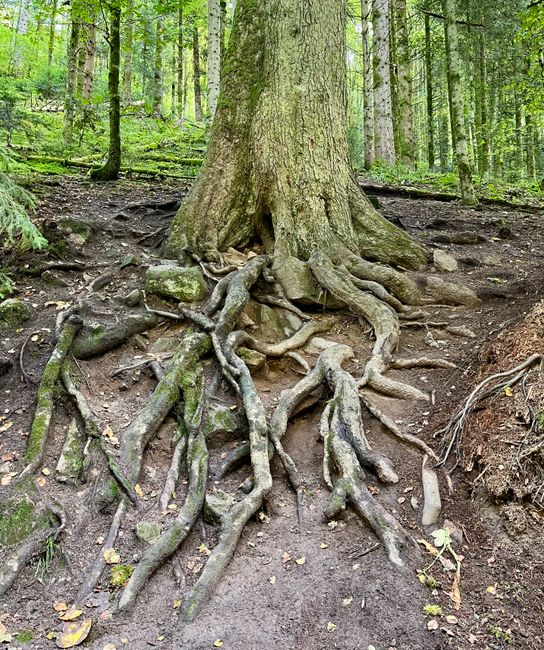
Urgent tree root problems in Hither Green and fast gardeners
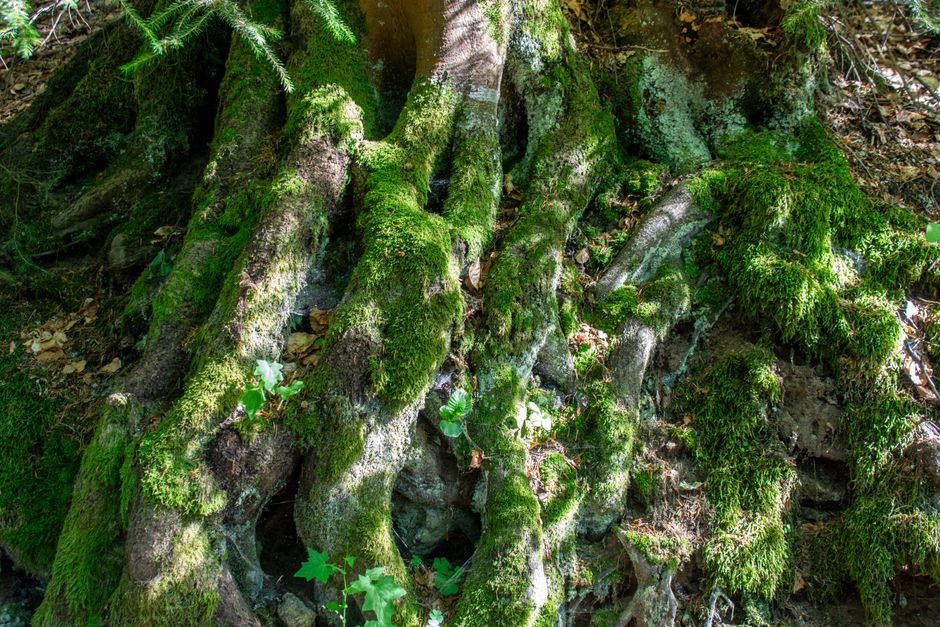
If you have ever noticed paving lifting, a drain backing up, or a once-healthy border suddenly struggling, tree roots may be the real culprit. Urgent tree root problems in Hither Green and fast gardeners are exactly the kind of issue that can go from annoying to expensive if you leave them too long. The tricky part is that root damage often starts quietly. One cracked slab here, one patch of thirsty lawn there, then all of a sudden the whole garden feels out of sorts.
This guide walks you through what root problems look like, why they matter in a busy residential area like Hither Green, and how a quick-response gardener or tree specialist can help you stabilise the situation before it spirals. We will keep it practical, local, and straight-talking. No fluff. Just the stuff that helps you make a good decision on a stressful day.
Why urgent tree root problems in Hither Green matter
Tree roots are brilliant at finding what they need. Water, oxygen, space. The problem is that in a built-up London setting, those same roots can end up pushing into places they should not: under paths, along boundary walls, into lawn areas, near patios, and sometimes toward drainage runs. In Hither Green, where gardens often balance mature planting with compact outdoor space, a root issue can affect more than one part of the property at once.
That is why urgency matters. A small root bulge under a slab can become a trip hazard. A suspect root near a fence line can distort the panel alignment. Excess moisture loss around roots can leave borders patchy and stressed. And if a tree is already under pressure, guesswork is not your friend.
Let's face it: nobody wants a garden that looks like it has had a skirmish with the patio. More importantly, you do not want to wait until the damage reaches a point where access becomes difficult or repairs become far more disruptive. Acting early usually gives you more options. That is the simple truth of it.
There is also the neighbourly side of things. In dense residential streets, root-related movement or encroachment can affect adjoining gardens too. Handling the issue promptly can help keep conversations calm, expenses lower, and the next step clearer.
For many homeowners, the fastest route is to combine assessment and action: identify the cause, make the area safe, and then decide whether pruning, excavation, barrier installation, or tree surgery is the sensible answer. If you need broader help with ongoing outdoor upkeep, it is often useful to coordinate with garden maintenance support so the whole space stays easier to manage after the urgent work is done.
How urgent tree root problems in Hither Green are handled
The handling process is usually more methodical than people expect. A fast gardener will not just start digging and hoping for the best. That would be, well, a bit chaotic. Instead, a sensible response normally follows a clear order.
First comes inspection. The visible symptoms are noted: lifted paving, surface roots, cracking edging, unusual subsidence, drainage smells, dying turf, or a tree leaning more than it should. Then the likely root source is traced. Is it a large tree close to a hard surface? Is water pooling and encouraging root spread? Is the area compacted and forcing roots to travel sideways? Those details matter.
Next comes risk sorting. Not every root issue is an emergency in the same way. Some need immediate stabilisation because a person could trip or a wall is under pressure. Others are urgent because the tree's health may decline quickly if the roots are exposed or damaged. A good gardener will separate cosmetic damage from structural risk. That distinction saves time and money.
After that, the response can include one or more of the following:
- careful root exposure and assessment
- selective root pruning where appropriate
- repair or re-laying of lifted paving
- improving drainage or soil conditions
- installing root barriers in suitable situations
- tree surgery input if the tree itself needs specialist attention
The important bit is balance. Roots are not just a nuisance; they are part of a living system. If they are cut badly, the tree can become unstable or stressed. If they are ignored, the garden can keep deteriorating. The best work protects both safety and plant health, which is why the right local team matters.
Key benefits and practical advantages
Getting on top of urgent root problems early brings a few benefits that are easy to overlook when you are focused on the damage in front of you.
- Less disruption: Early intervention often means smaller sections need lifting, cutting, or rebuilding.
- Safer movement around the garden: Uneven surfaces and hidden root lifts are a very real trip hazard, especially on narrow paths.
- Better plant survival: Roots are protected more effectively when work is targeted instead of heavy-handed.
- Improved drainage and soil condition: Problems around roots often signal broader garden health issues that can be improved at the same time.
- More predictable costs: Small jobs are generally simpler to price and schedule than a full-scale rescue job after months of delay.
There is also a design benefit. Once a root issue has been addressed, you can often improve the surrounding space too. Maybe the area becomes suitable for new edging, shade-tolerant planting, or a cleaner route across the garden. A practical fix can become a small reset for the whole layout.
If your goal is not just to repair but to reshape the garden afterwards, you may also find useful ideas in planning a garden transformation. That sort of thinking is helpful when the urgent work has settled and you want the space to feel intentional again.
Who this is for and when it makes sense
This kind of service is for anyone who sees root-related damage or suspects that roots are causing hidden trouble. In Hither Green, that often includes homeowners with mature trees, terraced properties with compact gardens, or people whose back paths and patios are beginning to move in odd ways.
You may need urgent help if:
- your paving has started to lift or rock
- a tree root is visibly crossing the lawn or edging
- drainage smells or blockages appear near a tree
- a boundary wall or fence line seems to be under pressure
- the tree looks stressed after root disturbance or soil removal
- you need the area made safe quickly before visitors, tenants, or children use it
It also makes sense for landlords and property managers. A root issue on a rental property can become a complaint very quickly if tenants are dodging a broken slab every time they bring out bins or bikes. Fast action is not just tidy; it is good property care.
And then there are the practical gardeners: people trying to keep a small outdoor space neat without turning it into a construction site. For them, a careful, fast response is usually the sweet spot. Enough urgency to stop the damage, enough restraint to avoid making things worse.
Step-by-step guidance
If you are facing a root problem right now, this is the kind of sequence that usually works best.
- Make the area safe. Keep people away from lifted slabs, unstable edging, or obvious trip points. If something looks dangerous, do not keep testing it with your foot. We all do it, but still.
- Take clear photos. Capture the damage from a few angles. If the problem is near a fence, wall, drain, or path, include the wider context. This helps with quoting and planning.
- Check for immediate tree stress. Look for sudden leaf drop, dieback, leaning, cracks around the base, or exposed roots drying out in the sun and wind.
- Identify what changed recently. Did heavy rain, digging, construction, or pruning happen before the issue appeared? The timing can be very revealing.
- Get a rapid assessment. A fast gardener or tree specialist can decide whether the problem is cosmetic, structural, or tree-health related. Sometimes all three are in play, which is lovely, isn't it.
- Choose the lightest effective fix. That might mean lifting and relaying a section of paving, removing a hazardous surface root, improving drainage, or introducing a root barrier.
- Rebuild the area properly. Once the root issue is contained, the surface should be reset so the same movement does not return straight away.
- Plan aftercare. Mulch, watering changes, soil improvement, and future inspection all help keep the problem from reappearing.
For some gardens, the best long-term answer is not dramatic at all. A bit of intelligent regrading, a smarter planting choice, and less competition around the root zone can make a surprising difference.
If roots have also made the area hard to use, you may want to rethink nearby features. In tighter plots, container gardening for small spaces can keep planting flexible while permanent ground conditions settle down.
Expert tips for better results
Here are the small details that often separate a tidy fix from a problem that keeps returning.
- Do not cut roots blindly. Root pruning should be selective. A few well-judged cuts are better than one overenthusiastic chop.
- Watch the soil as much as the tree. Compacted, dry, or waterlogged soil changes how roots behave. The tree may be reacting to conditions, not just age.
- Choose permeable solutions where possible. If the area is being rebuilt, materials that allow movement and drainage can reduce repeat pressure.
- Keep the canopy in mind. Root spread and crown spread are connected in a living tree. The work should fit the whole tree, not just the visible damage.
- Leave enough room for aftercare. If a repair is completed but the surrounding soil is ignored, the fix may only last for a season or two.
Another useful habit: think in layers. Surface damage, root behaviour, drainage, and tree health all interact. The best local teams do not treat them as separate jobs. They solve them as one system.
For more outdoor decision-making support, the site's guidance on practical gardening basics is a good companion read when you are trying to avoid repeat issues after the emergency work is finished.
Common mistakes to avoid
Tree root problems can get messy fast, and people understandably rush. Still, there are a few mistakes that are worth avoiding.
- Ignoring small lifts in paving: They often point to bigger movement underneath.
- Hacking back roots to make the area look neat: That can damage tree stability and create a bigger issue later.
- Guessing the cause: Not every crack is root-related. Some are drainage or soil movement problems, and the fix changes completely.
- Using heavy machinery too close to roots: This can compress soil and damage the tree quietly, which is the worst kind of damage because you do not see it straight away.
- Replacing the surface without solving the cause: A fresh patio laid over active root pressure is just a future repair bill waiting patiently.
One more thing. People often assume that because a tree is large, it must be the whole problem. Not always. Sometimes a small, poorly drained corner drives the issue, and the tree simply responds by searching sideways for moisture. Trees are clever like that. A bit too clever, frankly.
Tools, resources and recommendations
Fast response is easier when the right tools are available. A proper assessment may use simple but effective kit rather than anything flashy.
- spade and hand trowel for controlled exposure
- pruning tools for clean, selective root or branch work where appropriate
- measuring and marking tools to map lifted areas or root paths
- protective gloves and footwear for safer working conditions
- surface repair materials for re-bedding slabs or edging
- mulch or soil improvers for recovery work around the root zone
If you are building a broader strategy for the whole garden, the right mix of services can help. For example, tree surgery is the logical fit where root concerns are tied to tree health or structural risk, while landscaping support is often useful once the area needs rebuilding or redesigning after the emergency work.
You may also want to keep the rest of the garden under control while the root issue is being fixed. If overgrowth or debris is making inspection harder, a reliable gardening services team can help clear the space and make the problem easier to assess.
Law, compliance, standards, or best practice
Root work is not just about practical gardening. In the UK, it can touch on safety, property boundaries, neighbour relations, and tree protection. You do not need to become a legal specialist, but you do need to be careful.
Best practice usually includes:
- confirming who owns the tree before major work begins
- checking whether the tree is protected or subject to planning controls
- taking reasonable care not to undermine structures, footings, or boundary assets
- using competent, insured contractors for potentially risky work
- keeping a record of what was inspected and what was done, especially if neighbours are affected
It is also sensible to work with firms that are transparent about insurance, health and safety, and the scope of work. For additional reassurance, you can review the company's insurance and safety information and health and safety policy before any urgent work is booked.
On a practical level, this is where experienced gardeners earn their keep. They know when a job is straightforward, when it needs extra care, and when a tree surgeon should be brought in rather than leaving matters to chance. That judgement matters a lot.
Options, methods, or comparison table
There is no single fix for every root problem. The right method depends on how severe the damage is, how valuable the tree is, and whether the aim is safety, preservation, or surface repair.
| Method | Best for | Advantages | Watch-outs |
|---|---|---|---|
| Selective root pruning | Targeted conflicts with paving or borders | Quick, controlled, minimal disruption | Must be done carefully to avoid tree stress |
| Surface repair and re-laying | Lifts, rocking slabs, uneven paths | Restores safety and appearance | Does not solve the cause unless paired with root management |
| Root barrier installation | Repeat pressure near paths, lawns, or borders | Helps redirect future root growth | Needs correct placement and planning |
| Drainage improvement | Waterlogged soil or recurring damp zones | Supports healthier roots and better garden use | May require more excavation than expected |
| Tree surgery intervention | Structural risk, major stress, or large trees | Specialist assessment and safer long-term outcome | Not always necessary for simple surface issues |
If the problem is mostly about presentation after repairs, a finishing service such as patio cleaning can make a rebuilt space look properly finished again. Small detail, big difference.
Case study or real-world example
A typical Hither Green scenario goes like this. A homeowner notices that one side of a narrow path has started to rise, just enough to catch the toe of a shoe. At first it seems minor. A month later, the same section is cracking, moss is collecting in the gap, and the nearby border is drying out far faster than the rest of the garden.
When inspected, the cause turns out to be a mature tree reaching under the path for moisture. The fix is not just to lift the slab and move on. The gardener marks the affected area, eases back the hard surface, checks the root pressure, and decides on a small combination of selective root management, surface re-bedding, and a better moisture strategy around the surrounding soil.
The result is not a perfect brand-new garden, and nobody pretends otherwise. But the path becomes safe again, the area drains better, and the homeowner knows what to watch over the next season. Most importantly, they avoided turning a local repair into a much bigger structural job.
That is often how the best urgent work looks in real life: not dramatic, not glamorous, just calm and effective. And that is exactly what you want on a Tuesday morning when the slab outside the kitchen door has started wobbling a bit too much.
Practical checklist
Use this quick checklist if you suspect root trouble.
- Have you noticed lifting, cracking, or movement in paths, patios, or edging?
- Is there visible root growth crossing or buckling the surface?
- Has the nearby tree shown signs of stress or sudden change?
- Are drains, gutters, or gullies affected near the tree?
- Have you taken photos from several angles?
- Have you kept people away from any unsafe area?
- Do you know whether the issue is mainly safety, tree health, or surface repair?
- Have you checked whether the tree might need specialist input?
- Are you planning the smallest fix that will actually solve the cause?
- Have you asked for a clear quote and timeline before work begins?
If you are still unsure, that is normal. Root problems are one of those things that can look simple from a distance and then get complicated the moment you dig deeper. A fast, experienced local response helps take the edge off.
Get a free quote today and see how much you can save.
Conclusion
Urgent tree root problems in Hither Green and fast gardeners are really about timely judgment. The right response is rarely panic, and it is rarely delay either. It is careful action taken quickly enough to stop the damage from spreading. That balance protects paths, patios, borders, fences, and the tree itself.
If you want the short version, here it is: inspect early, act safely, choose the lightest effective fix, and bring in the right help when the issue involves structures or mature trees. That approach keeps the garden usable and gives you a better shot at avoiding repeat problems later on.
And once the dust settles, you might even find the space feels calmer than before. A garden can do that. Sort one awkward problem, and the whole place seems to breathe again.
If you need prompt local help, start with the team at contact and explain what you have seen. The clearer your description, the faster the right response can begin.
Frequently Asked Questions
How do I know if tree roots are causing the damage in my garden?
Look for lifted paving, cracking near trees, root exposure, or drying patches that repeat in the same area. If the damage sits close to a mature tree, roots are a strong possibility, though drainage or soil movement can play a part too.
Is root damage always an emergency?
Not always, but it should be assessed quickly. If someone could trip, a wall or fence is shifting, or a drain is affected, treat it as urgent. If it is cosmetic only, you still want a prompt look before it spreads.
Can gardeners fix root problems, or do I need tree surgery?
It depends on the severity. A skilled gardener can handle many surface and access issues, while tree surgery is more appropriate when the tree itself needs careful root or structural attention. Often the best outcome comes from both working together.
Will cutting roots kill the tree?
Not necessarily, but careless cutting can seriously stress a tree. That is why selective root work should be handled cautiously and only where it is appropriate. The aim is to reduce conflict, not create a new problem.
How fast can urgent root problems be dealt with?
In many cases, a fast gardener can assess the issue quickly and make the area safe the same day or soon after, depending on access and the scale of the work. More complex repairs may need a follow-up visit.
What should I do before the gardener arrives?
Keep people away from unsafe spots, take photos, and note any recent changes such as heavy rain, digging, or tree work. That small bit of prep often helps speed up diagnosis.
Do root barriers work?
They can work well when installed in the right place and for the right reason. They are not a magic fix, though. If the soil is poor or the tree is under stress, the whole site should be looked at, not just the barrier.
How much will urgent root work cost?
Costs vary with access, severity, surface repair, and whether tree surgery is needed. The sensible move is to ask for a proper inspection and a clear quote. That is the only honest way to know where you stand.
Could my neighbour's tree be the issue?
Yes, that can happen in shared or close boundary situations. If you suspect that, avoid making assumptions. A careful assessment can identify the likely source and help you decide the best next conversation.
Will the garden need rebuilding after root work?
Sometimes only a small area needs re-laying; other times the repair is more substantial. If the root issue affected drainage or the base layer under a path or patio, some rebuilding is often part of the job.
How can I stop the problem coming back?
Good drainage, suitable planting choices, and careful surface design all help. After the immediate fix, ongoing maintenance matters more than people think. A quick check each season can save a lot of hassle.
Where can I find help for urgent tree root problems in Hither Green?
Start with a local team that understands both gardens and tree care. If you want a wider view of the company's approach and related services, their information on about us and related service pages can help you decide whether they are the right fit for your situation.