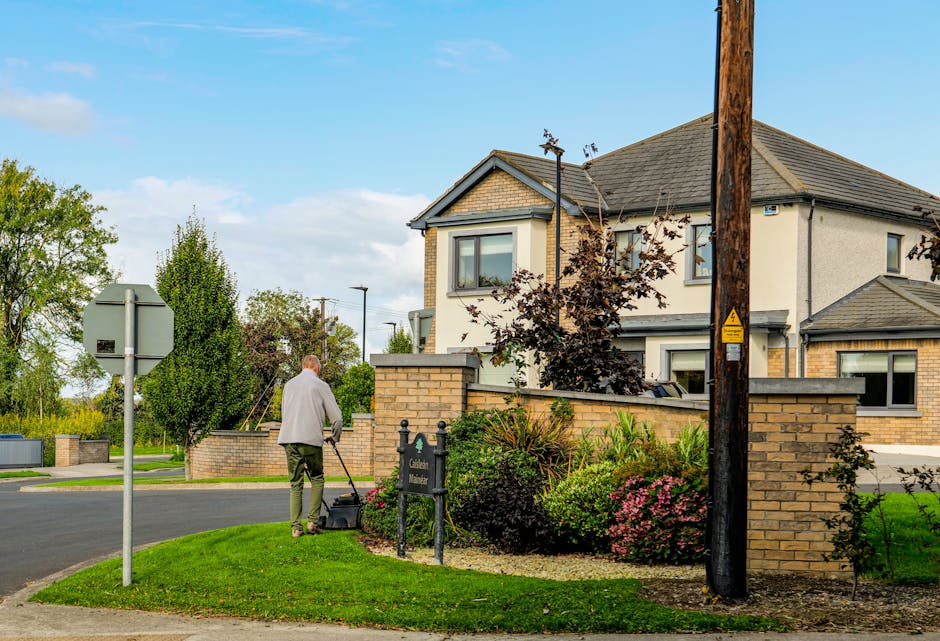
What to know about driveway access for Hither Green gardeners
If you are booking gardening work at home, driveway access can make a bigger difference than you might think. It affects how quickly a team can unload tools, where materials can be stacked, whether waste can be removed cleanly, and even how tidy your garden feels at the end of the day. In Hither Green, where properties can range from compact terraces to wider family homes, the practical side of access is often the thing that decides whether a job feels smooth or slightly awkward.
This guide covers what to know about driveway access for Hither Green gardeners in a clear, local, no-nonsense way. You will see why access matters, how it affects different types of work, what to check before a visit, and which small details can save time, money, and a bit of stress. Truth be told, a good gardening job often starts before the first spade goes into the ground.
It is not all about parking either. The space a gardener has to work with can influence everything from hedge trimming to lawn care, garden clearance, patio cleaning, and landscaping. If you want the day to run properly, this is worth understanding.
Table of Contents
- Why driveway access matters
- How access usually works on the day
- Key benefits and practical advantages
- Who this is for and when it makes sense
- Step-by-step guidance
- Expert tips for better results
- Common mistakes to avoid
- Tools, resources and recommendations
- Law, compliance, standards, or best practice
- Options, methods, or comparison table
- Case study or real-world example
- Practical checklist
- Conclusion
- Frequently asked questions
Why What to know about driveway access for Hither Green gardeners Matters
Driveway access matters because gardening work is rarely just about the garden itself. A team may need to bring in mowers, wheelbarrows, hedge cutters, sacks, paving cleaners, timber, soil, compost, or green waste bags. If parking is tight, if the driveway is blocked, or if the route from the vehicle to the work area is awkward, the whole job can slow down. That means more lifting, more trips back and forth, and more chance of disturbance to paving, planting, or the neighbour next door who is already trying to squeeze past a delivery van.
In Hither Green, access is often a mix of opportunity and constraint. Some homes have decent off-street parking. Others are on narrower residential roads with limited space, front gardens, shared side passages, or stepped entrances. You may also have to think about bins, bikes, prams, and the simple fact that a driveway is not always a flat, open space. A sloped drive, a tight turning circle, or a low boundary can all change how a gardener plans the visit.
Why does that matter so much? Because access shapes the whole day. It affects time on site, the order of work, what equipment is suitable, and how waste gets moved off the property. It also affects safety. Heavy bags, sharp tools, wet surfaces, and awkward carrying routes are not ideal companions. A bit of planning avoids a lot of grumbling later.
Expert summary: Good driveway access does not just make life easier for the gardener. It helps protect your property, keeps the work tidier, reduces avoidable delays, and usually leads to a better finish. Small detail, big difference.
If you are also planning wider garden improvements, access is often discussed alongside gardening services, garden maintenance, garden clearance, and even bigger projects like landscaping. The reason is simple: access is part of the job, not a side issue.
How What to know about driveway access for Hither Green gardeners Works
In practice, driveway access is usually assessed before or at the start of the job. A gardener will want to know where they can park, how they will get equipment to the working area, whether there is room to unload, and whether anything needs to be protected. Sometimes this is obvious. Sometimes, not so much. The front looks easy until you notice the narrow gate, the steep step, and the rosemary bed squeezed right beside the path. Happens all the time.
Most access planning comes down to a few questions:
- Can a vehicle stop nearby without blocking traffic or neighbours?
- Is there enough space to unload equipment safely?
- Can tools and waste move from the vehicle to the garden without damage?
- Are there gates, side paths, steps, or slopes that need extra care?
- Will the work create any temporary obstruction to the driveway itself?
For smaller jobs, a gardener may only need a short stop, a clear route, and enough space to carry hand tools or a mower. For larger or heavier work, like tree pruning, hedge reduction, patio cleaning, or garden clearance, access becomes more important because there may be larger machines, more waste, and more time spent moving material. If you are arranging tree surgery or tree lopping and removal, for example, access planning should happen early. That sort of work can be very different from a routine mow.
There is also a practical difference between driveway access and garden access. A driveway may be wide enough for loading but not for storing materials. Or there may be room for a van, but the gate into the rear garden is too narrow for larger items. Gardeners often work around this by staging equipment in waves: unload, carry through, work, remove waste, then leave the property neat. Simple enough in theory. In the real world, it needs a bit of coordination.
Key Benefits and Practical Advantages
When access is sorted out properly, the benefits are immediate. You get a smoother visit, less fuss, and usually a tidier result. But there are some more specific advantages worth knowing.
- Faster setup and pack-down: Less time spent hunting for parking or moving tools around means more time spent actually doing the work.
- Cleaner working conditions: A sensible unloading point helps keep mud, soil, cuttings, and debris controlled.
- Lower risk of accidental damage: Good access reduces the chance of scuffed paving, broken edging, or crushed planting.
- Better safety: Fewer awkward lifts and shorter carrying distances are easier on everyone.
- More accurate quoting: When access details are clear, estimates for labour and time tend to be more realistic.
There is a quieter benefit too: less friction. Nobody wants to start a job with three people apologising for a van that cannot turn, a wheelbarrow bumping into a bin, or a hose not quite reaching the patio. It is all manageable, of course, but the whole day feels better when access is thought through in advance.
That matters even more if your garden sits between other homes or shared boundaries. In those cases, access is part logistics, part courtesy. A good setup helps avoid awkward conversations in the driveway at 8 a.m., which, let us be honest, is not anyone's favourite way to start the morning.
Who This Is For and When It Makes Sense
This guide is useful for homeowners, landlords, tenants, letting agents, and anyone arranging outside work on a property in or around Hither Green. If you are booking a one-off clearance, a regular maintenance visit, or a larger redesign, driveway access will almost certainly come up.
It makes the most sense to think about access if:
- your driveway is shared or narrow
- parking outside the property is limited
- the garden is only reachable through the front or side passage
- you are expecting heavy, bulky, or messy work
- you have delicate surfaces, new paving, or low walls to protect
- you want the job completed as efficiently as possible
It is also especially relevant if the property has several access points. That sounds like a bonus, and it can be, but only if everyone knows which one to use. A back gate may be convenient for waste removal, while the driveway is better for loading tools. If the wrong route is used, you end up with extra tracking through the house or extra carrying around the side. Not ideal.
For more involved garden changes, driveway access can influence the kind of work that makes sense. For instance, if you are considering decking services, fencing, or patio cleaning, a clear route for materials and equipment can make the difference between a straightforward visit and a slow one.
Step-by-Step Guidance
If you want a practical way to prepare, use this simple sequence. It works well for most domestic garden visits and keeps the whole thing organised.
- Check the driveway space in real terms. Measure roughly if needed, but also look at how the space behaves in daily life. Can a van stop without blocking the pavement? Is there room to open doors fully? Does a gate swing across the access route?
- Walk the route from drive to garden. Notice steps, slopes, narrow turns, slippery paving, low branches, or anything fragile along the way.
- Identify the main tasks. Mowing, hedge trimming, clearance, turf work, and tree-related jobs all have different equipment and access needs.
- Share the details early. Let the gardener know whether they can use the drive, whether it is shared, and whether there are any time restrictions or neighbour considerations.
- Move obstacles before the visit. Bikes, bins, garden furniture, toys, and cars can all get in the way. Clearing them early saves a lot of faffing about.
- Protect delicate surfaces and plants. If the driveway has decorative paving, gravel borders, or low planters, make sure everyone knows what needs care.
- Confirm where waste should go. For jobs producing cuttings or rubble-like material, agree the nearest and safest loading point.
- Review at the end of the job. A quick check helps catch forgotten tools, blocked gates, or any surface that needs a final rinse or sweep.
One useful habit: take two quick photos of the driveway and access route before the appointment. Not a formal survey, just a sensible record. It helps avoid misunderstandings if the space looks different in person than it did in someone's memory. And let's face it, memory is a slippery thing when a few weeks have passed.
Expert Tips for Better Results
Here is where small, experienced habits make the biggest difference. In our experience, the jobs that go best are usually the ones where the access details were handled with a bit of honesty and a bit of common sense.
- Give exact, not vague, access notes. "Parking available" is less useful than "one car-length on the drive, shared with a neighbour, gate width about one metre."
- Be realistic about tight spaces. A gardener can often work around a narrow drive, but they need to know before arrival. Surprises waste time.
- Think about wet weather. A driveway that looks fine on a dry Tuesday morning may become slippery and awkward after a shower. London weather keeps everyone humble.
- Leave room for equipment handling. If a mower, pressure washer, or loaded barrow needs turning space, do not pack the drive edge-to-edge.
- Consider neighbour flow. In Hither Green, shared frontage and street parking can affect everyone. A little advance notice can stop friction later.
- Match access to the job type. A regular lawn visit needs less than a full clearance or tree work. If the task is bigger, say so clearly.
Another tip that sounds obvious, but often gets missed: if you have a locked side gate or coded access, make sure the code, key location, or contact person is confirmed before the team arrives. Nothing derails a morning quite like four people standing on the pavement wondering if the key is "in the usual place."
If you want a broader picture of the provider's approach, pages like health and safety policy, insurance and safety, and about us can also help build confidence in how the work is handled.
Common Mistakes to Avoid
Most driveway access problems are avoidable. The awkward part is that they are often the same mistakes, just in different houses. Here are the big ones.
- Assuming parking will be available. It might be, but not always. Confirm it rather than hoping for the best.
- Forgetting about turning space. A vehicle may fit, but if it cannot get out cleanly, that still creates trouble.
- Leaving bins, toys, or bikes in place. These are the classic last-minute blockers. Small items, big annoyance.
- Not mentioning slopes or steps. These change the physical effort required and can affect which tools are best used.
- Ignoring shared drive arrangements. If someone else needs access, that should be part of the plan.
- Underestimating waste removal. Cuttings and clearance waste can take up far more space than people expect.
- Thinking "it'll be fine" is a strategy. Sometimes it is. Usually, it is not.
A quieter mistake is not discussing the finish point. For example, if a job involves trimming hedges or clearing borders, should the waste be bagged on the driveway, stacked by the gate, or carried straight to the vehicle? That sounds minor, but it changes the pace of the day and the final tidy-up.
Tools, Resources and Recommendations
You do not need a complicated setup. A few practical tools and habits are enough to make driveway access far easier.
- Measuring tape: Helpful for checking gate width, driveway width, and awkward turns.
- Phone photos: Useful for showing the route, surface type, and any obstacles before the visit.
- Clear access path: Remove movable items like bins, hoses, and bikes.
- Basic protection materials: For delicate paving or new surfaces, ask whether mats, boards, or alternative routes are sensible.
- Simple written notes: A short message with parking instructions and access quirks is often enough.
It also helps to know which services tend to be access-sensitive. Regular lawn care and lawn mowing visits may only need quick access, while hedge trimming, garden clearance, and patio cleaning often benefit from a clearer unloading spot and a better waste route.
For homeowners planning sustainable tidying or larger refresh work, it can also be worth looking at recycling and sustainability. That does not solve the access issue on its own, of course, but it can shape how waste is sorted, collected, and handled once the job is done.
Law, Compliance, Standards, or Best Practice
For domestic garden work, driveway access is usually less about formal legal issues and more about good practice, safety, and considerate working. That said, a few UK norms are worth keeping in mind.
First, any vehicle parking or stopping arrangement should avoid creating an unsafe blockage, particularly where pavements, dropped kerbs, or shared access routes are involved. The practical rule is simple: if a vehicle would make access difficult for others, that needs to be thought through before the job starts. In residential streets, especially busier parts of London, this is not just polite; it helps avoid unnecessary disruption.
Second, safe manual handling matters. Garden tools, green waste, paving cleaners, and bags of material can be heavy or awkward. A gardener working from a driveway needs a route that reduces strain and avoids preventable slips or trips. Best practice is to keep routes clear, use appropriate lifting methods, and avoid carrying loads over surfaces that are unstable or crowded.
Third, property protection is part of professional practice. That includes being careful around walls, gates, decorative borders, steps, and newly laid surfaces. If access is tight, the right approach is not to force it. It is to adjust the plan.
Finally, if a job involves public-facing access, shared drives, or narrow entrances, communication is part of responsible working. A short heads-up to the property owner, and sometimes to neighbours, is often enough. Nothing dramatic. Just sensible.
If you are comparing providers, it is also reasonable to check the practical side of their service terms, including terms and conditions, pricing and quotes, and payment and security. That gives a fuller picture of how the work is arranged and handled.
Options, Methods, or Comparison Table
Different access setups suit different jobs. Here is a simple comparison to help you think it through.
| Access setup | Best for | Pros | Watch-outs |
|---|---|---|---|
| Driveway parking right by the garden | Routine maintenance, mowing, hedge trimming | Fast unloading, easy waste handling, minimal carrying | Can be blocked by household vehicles or bins |
| Street parking near the property | Most domestic jobs where the road is manageable | Flexible if the drive is full | Longer carrying distances, parking uncertainty, neighbour impact |
| Shared driveway | Homes with common access routes | Often efficient once agreed | Needs coordination and clear etiquette |
| Side access only | Rear-garden work, clearance, planting, smaller material moves | Useful when front access is awkward | Gate width, steps, and surface protection become important |
| No vehicle access close by | Light jobs or sites with limited frontage | Possible for smaller tasks | More labour, slower progress, higher effort |
The right method depends on the job, not just the property. A driveway that is perfect for a quick mow might be only partly useful for a larger clearance or a landscaping project. That is normal. The goal is not perfection. It is fit-for-purpose access.
Case Study or Real-World Example
Here is a realistic example from the sort of situation people in Hither Green run into all the time.
A homeowner wanted a garden refresh after winter: lawn tidy-up, border clearance, some hedge reduction, and a patio clean. The driveway looked generous at first glance, but there was a shared parking arrangement, a narrow turn into the rear garden, and a low side gate that made larger items awkward. On paper, it sounded simple. In person, it needed a little thought.
The solution was straightforward. The homeowner cleared the driveway the evening before, confirmed which side gate could be used, and shared a couple of photos of the access route. The gardener planned the unloading sequence accordingly: tools first, then cutting work, then waste bags in stages, then patio cleaning once the route was clear. Nothing fancy, just organised.
The result? Less time carrying things twice. Fewer interruptions. And a much tidier finish, because the waste never had to be left in a random pile near the front path. The homeowner also avoided one of those awkward moments where a vehicle blocks your own bins, which always feels mildly ridiculous at the time.
That kind of job is a good reminder that access does not have to be perfect. It just has to be known.
Practical Checklist
Use this before the appointment if you want the day to run smoothly.
- Confirm whether the driveway can be used for parking or unloading.
- Check if the driveway is shared, narrow, sloped, or surfaced in a way that needs care.
- Make sure bins, bikes, toys, and cars are out of the way.
- Share gate widths, steps, and any side access restrictions.
- Tell the gardener what type of work is being done.
- Let them know if waste needs to be removed from the property.
- Protect fragile paving, new planting, or decorative edges if needed.
- Arrange access codes, keys, or contact details in advance.
- Consider neighbour parking and local street space.
- Do a quick end-of-job check for forgotten items or surface marks.
If you tick most of those off, you are already ahead of the game.
Conclusion
Driveway access may not be the glamorous part of garden work, but it is one of the most practical. For Hither Green homeowners, the difference between a smooth visit and a stressful one often comes down to a few small details: where the vehicle can stop, how equipment gets in, how waste gets out, and whether the route is clear and safe.
Once you look at access properly, everything else gets easier. Quotes are more realistic, the work is less disruptive, and the finish tends to be better. That is true whether you are arranging regular upkeep, a one-off clearance, or a bigger landscaping project. And honestly, there is something reassuring about a job that starts with clarity rather than guesswork.
So before the next garden visit, take two minutes to think about the drive, the gate, the route, and the parking. It is a small bit of preparation that pays back quickly. Calmly, neatly, and without drama.
Get a free quote today and see how much you can save.
Frequently Asked Questions
Do gardeners need driveway access for every job?
Not every job, no. Small maintenance tasks may only need nearby parking and a clear route to the garden. Larger jobs like clearance, hedge work, or landscaping usually benefit much more from driveway access.
What if my driveway is too narrow for a van?
That is common, especially on tighter residential streets. A gardener may still be able to work from street parking or a nearby stopping point. The key is to explain the setup before the visit so they can plan accordingly.
Should I move my car before the gardener arrives?
Yes, if the driveway is being used for parking, unloading, or access. Moving the car in advance avoids delays and makes it easier for the team to start straight away.
How much space does a gardener usually need?
It depends on the job. Routine maintenance may only need a little unloading space, while clearance or tree-related work may need more room for tools, bags, and waste handling. There is no single rule, which is why clear communication matters.
Can gardeners work through a side gate instead of the driveway?
Often, yes. If the side gate is wide enough and the route is safe, that can work well. Just remember that steps, narrow turns, and surface protection may become more important if the driveway is not used.
What should I tell a gardener about access before booking?
Tell them whether parking is available, whether the driveway is shared, whether there are steps or slopes, and whether any gates or codes are involved. A quick photo can help too. It saves guesswork.
Does driveway access affect the price?
It can, because access affects time, effort, and sometimes the size of equipment that can be used. A straightforward quote is easier when the access details are clear. That is why pricing and quotes are often discussed after a quick look at the property layout.
What are the biggest access problems in Hither Green homes?
Shared drives, limited street parking, narrow gates, side passages, and tight turning space are the ones people mention most often. None of them are unusual, but they do need planning.
How can I protect my driveway during garden work?
Clear the access route, keep vehicles and bins out of the way, and mention any delicate surfaces before work starts. If you have new paving or decorative edging, say so. It is a simple step that can prevent avoidable scuffs or marks.
What if it rains on the day?
Wet weather can make slopes, paving, and carrying routes trickier. A gardener may need to adjust how they move equipment or where they unload. In London, that is just part of the deal sometimes. Best to keep access clear and flexible.
Is driveway access more important for clearance than for mowing?
Usually, yes. Mowing is often a lighter, faster visit. Clearance work tends to create more waste and involves more carrying, so better access makes a bigger difference.
Where can I check service details before booking?
You can review relevant pages such as gardening services, garden maintenance, and contact us if you want to discuss the setup before arranging a visit.